Tapware is one of those design elements that often gets overlooked until it’s done badly. A poorly chosen tap can disrupt an otherwise beautiful space, while the right tapware can quietly elevate a bathroom or kitchen from ordinary to exceptional. For interior design enthusiasts, tapware is no longer just a functional necessity; it’s a design statement that reflects taste, lifestyle, and attention to detail.
Choosing the right tapware goes beyond picking something shiny off a shelf. It involves understanding style, finishes, ergonomics, water efficiency, and how all these elements work together within a space. This guide offers a fresh, design-focused perspective on selecting tapware that looks stunning and performs beautifully for years to come.
Why Does Tapware Matter More Than You Think?
In interior design, the smallest details often carry the most visual weight. Tapware sits at eye level, gets used multiple times a day, and interacts with light, texture, and materials around it. In kitchens and bathrooms especially, taps act like jewelry—subtle but powerful.
From a functional standpoint, tapware affects water flow, temperature control, and ease of use. From a design perspective, it defines the mood of a space: sleek and modern, warm and traditional, bold and sculptural, or soft and minimal.
Popular Tapware Styles
1. Modern and Minimalist
Modern tapware emphasizes clean lines, geometric shapes, and simplicity. These taps often feature single-lever designs and streamlined silhouettes. They pair beautifully with minimalist interiors, concrete finishes, handle-less cabinetry, and monochrome palettes.
Interior designers often use modern tapware to create a calm, uncluttered aesthetic where every element feels intentional.
2. Classic and Traditional
Traditional tapware draws inspiration from heritage designs, featuring cross handles, curved spouts, and ornate detailing. These styles work well in classic bathrooms, heritage homes, and spaces that embrace warmth and character.
For design Australian enthusiasts who love timeless interiors, traditional tapware adds depth and charm without feeling outdated when done thoughtfully.
3. Industrial and Contemporary
Industrial tapware often features exposed elements, strong forms, and darker finishes. Think matte black or brushed metals paired with concrete sinks, brick walls, or raw textures. This style is popular in loft-style apartments and modern urban homes.
4. Statement and Sculptural
Some taps are designed to be focal points. Sculptural tapware uses bold curves, unusual angles, or architectural forms. These are ideal for powder rooms or kitchens where the tap becomes a visual centerpiece.
Top Finish You Can Choose
Finish selection is where many design decisions either shine or fall flat. The finish of your tapware should complement surrounding materials such as countertops, cabinetry, tiles, and lighting. Some right finishes you can choose are:
1. Chrome
Chrome is timeless, reflective, and versatile. It suits almost any style and is easy to maintain. While it may not feel bold, its strength lies in adaptability.
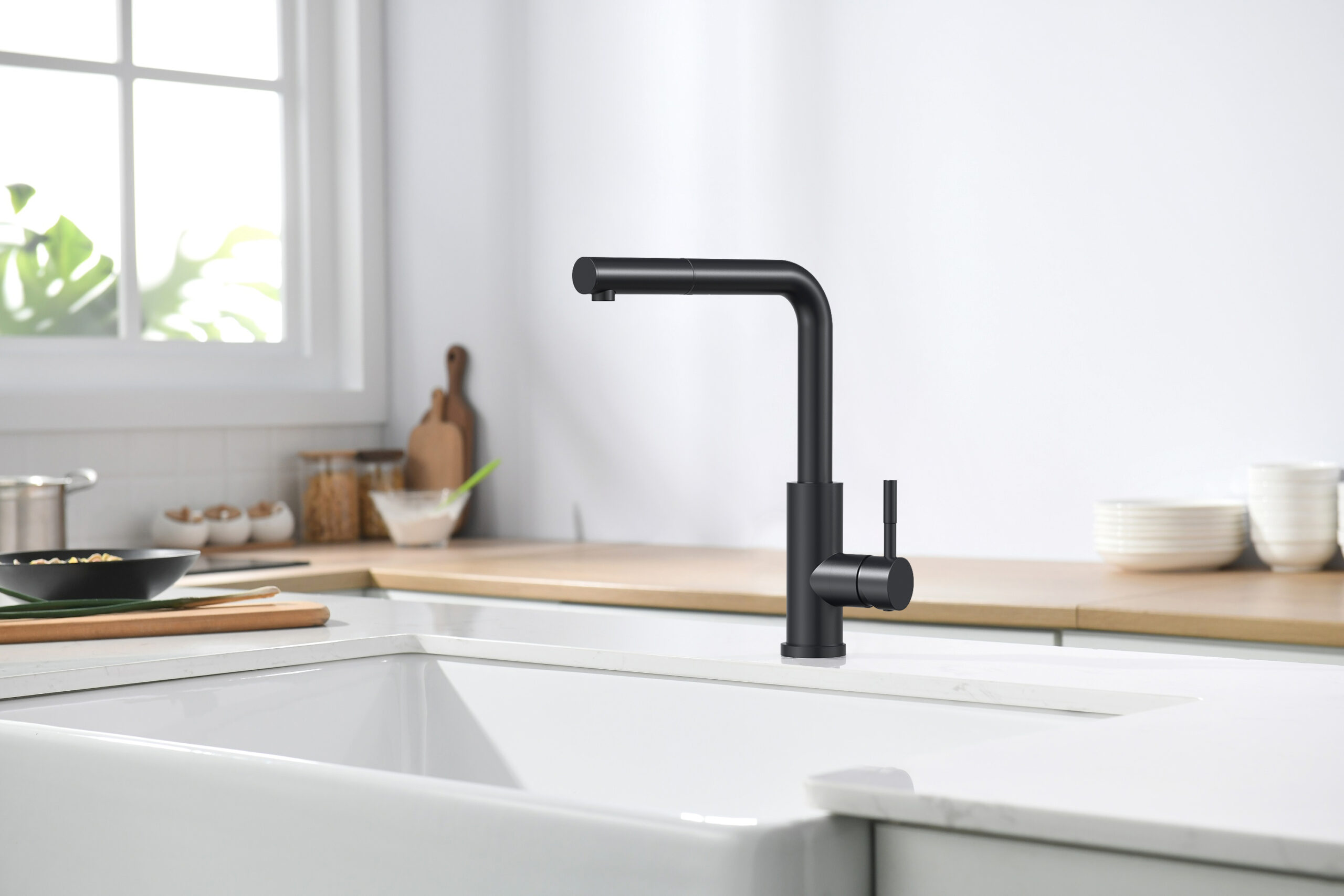
2. Matte Black
Matte black tapware has become a favorite among interior designers. It adds contrast, drama, and a modern edge. Black works particularly well in monochrome spaces or as a counterpoint to light stone and timber.
3. Brushed Nickel and Stainless Steel
These finishes offer a softer, more understated look compared to chrome. They are excellent for contemporary and transitional interiors, blending seamlessly without overpowering the space.
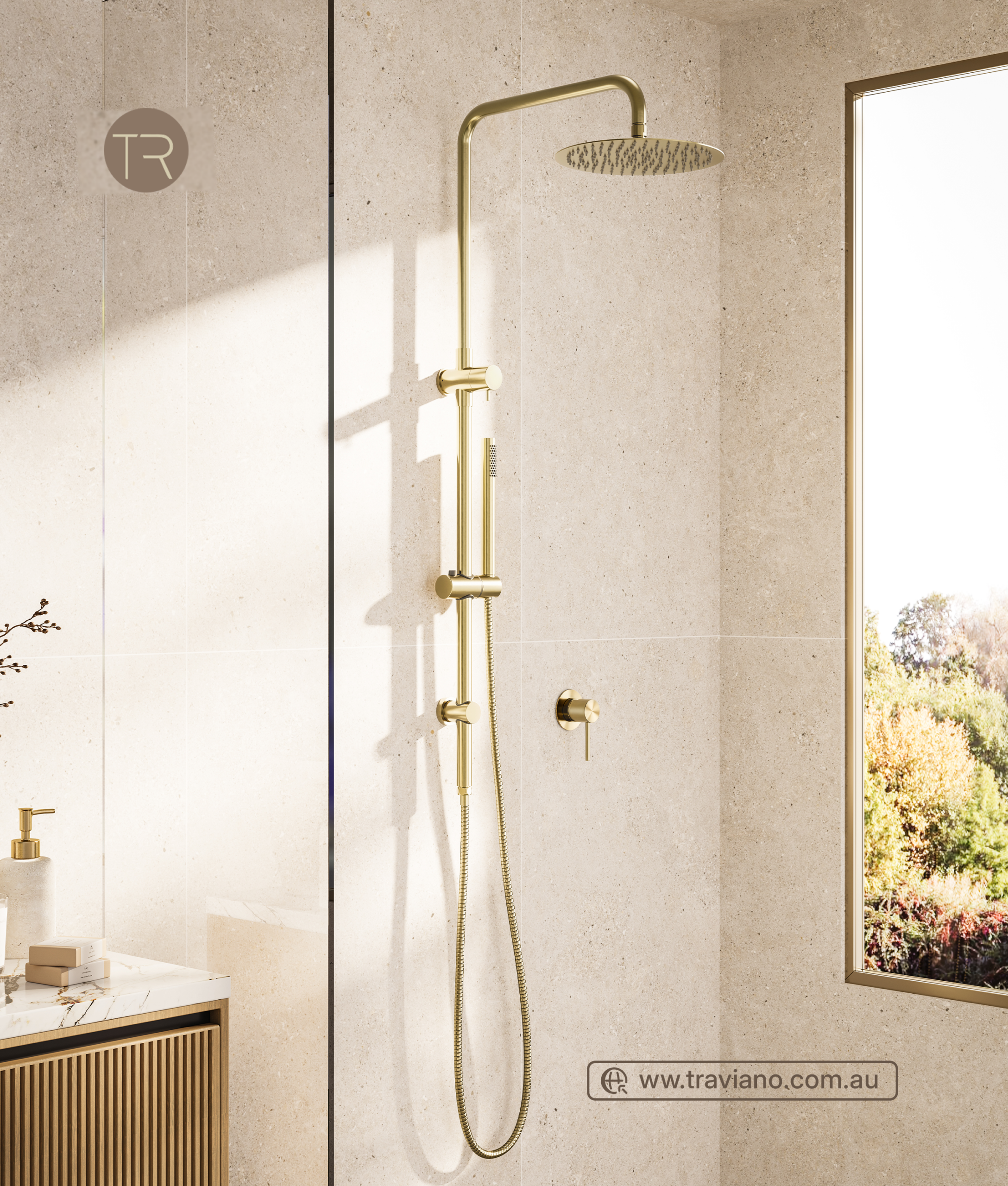
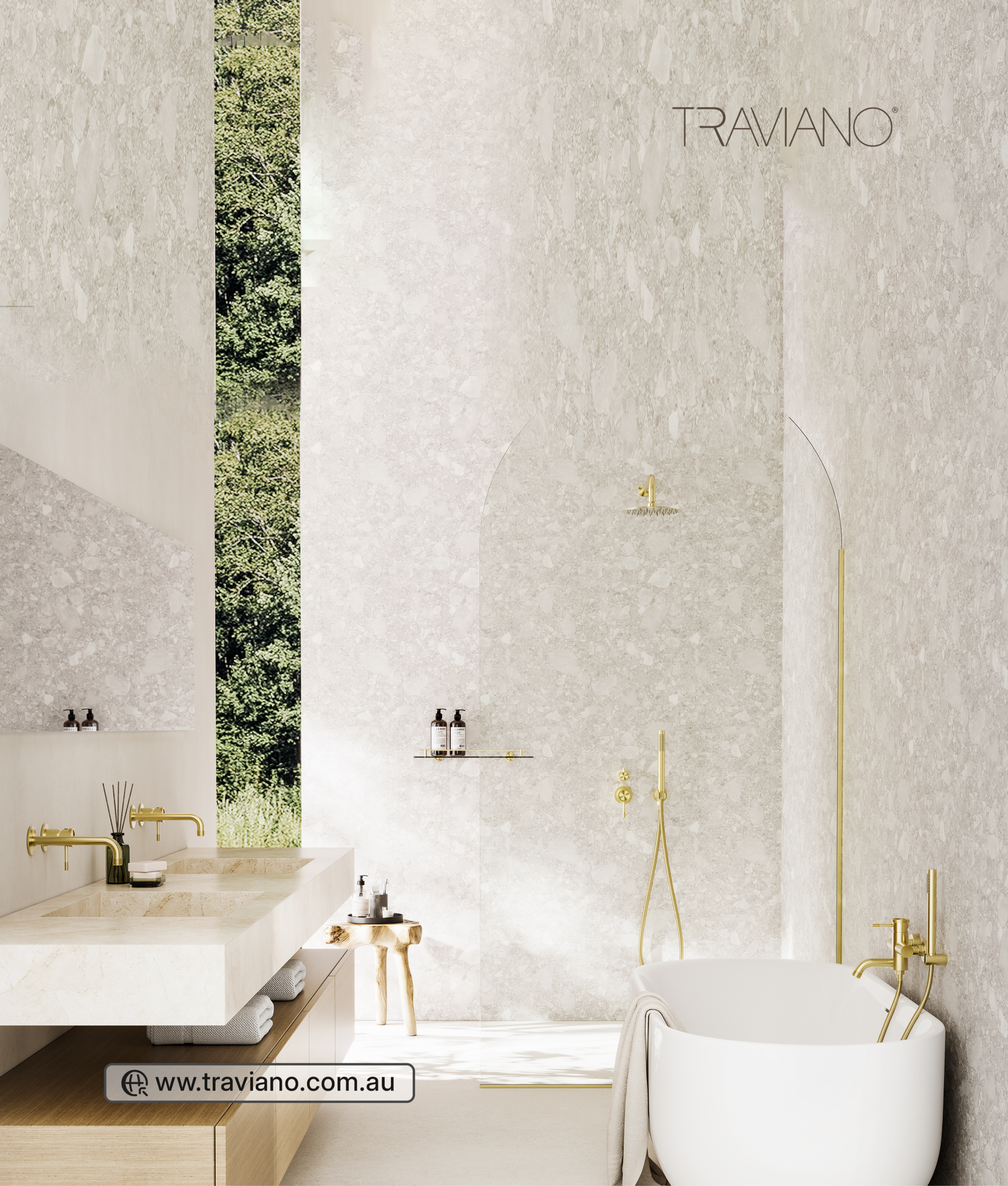
4. Brass, Gold, and Warm Metallics
Warm finishes bring richness and personality. Brushed brass or soft gold tones pair beautifully with marble, terrazzo, and warm color palettes. The key is restraint. So use these finishes intentionally to avoid visual overload.
Functionality of Tapware Beyond Aesthetics
1. Spout Height and Reach
In kitchens, spout height and reach determine how practical the tap is for washing dishes or filling large pots. In bathrooms, the tap should align comfortably with the basin to prevent splashing.
2. Single-Lever vs Dual Controls
Single-lever taps offer ease and efficiency, especially in modern homes. Dual controls allow more precise temperature adjustment and suit traditional or classic spaces
3. Swivel and Pull-Out Features
For kitchens, swivel spouts and pull-out sprays add flexibility. These features are invaluable in busy households and make daily tasks easier.
Forms of Tapware That Match Your Space
1. Kitchen Tapware
Kitchens demand durability and functionality. Go for robust materials, easy-to-clean finishes, and practical features like pull-out sprays. Design-wise, kitchen tapware should complement appliances and cabinetry.
2. Bathroom Tapware
Bathrooms allow more design freedom. Wall-mounted taps can create a sleek, uncluttered look, while countertop taps can act as design highlights. Comfort and water control are key considerations.
3. Powder Rooms
Powder rooms are perfect for bold choices. This is where statement tapware can shine without overwhelming the home.
Conclusion
Choosing the right tapware is both an art and a science. It requires a thoughtful balance between style, finish, and functionality. For interior design enthusiasts, tapware is an opportunity to express personality, elevate everyday rituals, and refine the overall aesthetic of a space.
When chosen carefully, tapware doesn’t just deliver water—it delivers comfort, beauty, and a sense of design harmony that enhances how a space feels and functions every single day.